Dholera Smart City
First Greenfield City
- 100 Square Yard / 900 Sq.ft.
- Plots Land Area
- Minimum Investment 4.5 Lakhs
Register Today for Best Offers
Overview of Dholera Smart City
When you first hear “Dholera Smart City”, it may sound like just another real estate pitch. But hang on , this place isn’t that simple. Dholera is one of the most ambitious urban projects India has ever seen. It’s a city being born from nothing, not expanding out from an old town, but planned from scratch, chunk by chunk, with roads, utilities, digital systems, and industry zones already on paper before one family moves in.
If that feels a little overwhelming, you’re not alone. Some people see charts and zones; others see your child’s future, your business’s next move, or a risky bet with giant promise. Let’s walk through it , honestly, slowly, and with real sense.
What Is Dholera Smart City - Really?
Let’s get the basics out of the way, but in plain talk:
Dholera is India’s first planned Greenfield smart city, a completely new city being built in Gujarat, about 920 square kilometers in size. That’s roughly twice the area of Delhi. It’s part of the bigger Delhi‑Mumbai Industrial Corridor (DMIC), a national plan aimed at turning a huge stretch of land between these two metros into a global manufacturing and business hub.
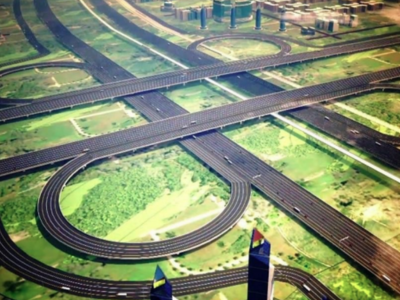
Picture this: instead of trying to fix congestion, sewage systems, or electricity grids that were built a hundred years ago, planners here start clean. Roads, broadband, smarts systems, drainage, power, all installed with future demand in mind. That’s the core idea.
But this city is not a fairy tale; it’s messy, evolving, and very much a work in progress.
Walking Through the City’s Big Picture: Should You Care?
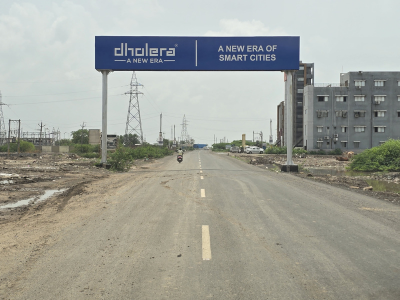
We once stood near the low hum of construction, hard hats, half‑built roads, and tractors working late into the evening. At first glance, it looked like any construction site. But that’s exactly the point: Dholera will look like this for years before it becomes a full city.
You can’t just show up expecting skyscrapers. What’s happening now is the foundation phase , and that matters.
Here’s how it’s planned:
1. Activation Zone: The First Pulse
Think of this as the heartbeat of Dholera; around 22.5 sq km of land is designated for early growth. It has paved roads, underground utilities, sewage systems, and enough infrastructure that businesses and residents can start on solid ground.
Why point this out? Because most people confuse land mapped on paper with land ready to build on. The activation area already has infrastructure in place so that factories, offices, and homes don’t have to wait years for basic amenities.
2. Highway, Airport, and Rail: Big Names, Bigger Timelines
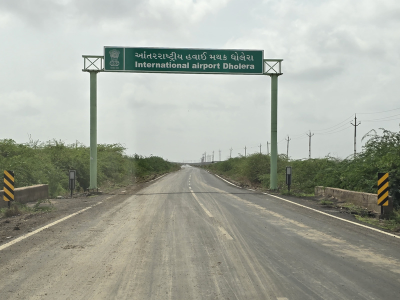
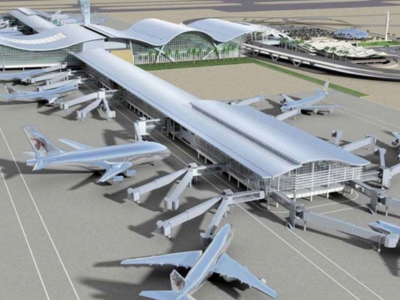
There’s a six‑lane expressway linking Dholera with Ahmedabad (about a 1.5–2 hour drive). The Dholera International Airport is under construction and expected to serve both domestic and international flights. Plans for metro and freight rail lines are on the books too.
But here’s the truth: none of this was finished overnight. Big infrastructure takes time, and that affects how quickly jobs, housing, and business activity show up. So if you’re imagining instant city life, recalibrate: we’re talking years, not months. Still, the direction is solid.
3. Smart Design: Not Just Smart Words
What does “smart” really mean here? It includes things like:
- Underground service ducts for power, water, data, and gas, so roads don’t tear up every year.
- IoT systems that monitor water usage, traffic, and public services in real time.
- Digital governance, online land records, permits, and e‑services that save time and paper.
No project is perfect, but if these systems work as planned, they will make everyday life — and doing business — smoother.
Economic Reality — Why Investors Are Watching
People sometimes ask, “Is Dholera just another real estate bubble?” My answer? Not really, because it’s being backed by governments, large infrastructure plans, and corporate interest.
Here’s what’s happening on the ground:

The Enterance
Shopping Malls Phase
1. Industrial Interest
Several big names have either committed or are in talks for manufacturing units, including semiconductor and renewable tech companies. That’s not just random chatter — Tata Group and others have invested in or are planning factories in the region.
That creates jobs, and jobs mean people need homes, schools, shops, and services. It’s a classic economic cycle taking place in real time.
Garden Building Phase
Connecting Roads
2. Real Estate Momentum
Land prices near the Activation Zone, expressway, and planned metro corridors have been rising. Not because of hype alone, but because people can see a road, access points, and future routes.
Still, this is not simple: buying land here without proper legal checks can be risky. Title searches, approvals, and TP zoning checks are critical , and anyone promising guaranteed overnight profits should raise a red flag.
Residential Area Phase
Oustise Image of the project
For You — Should You Think About Living Here?
Let’s talk lifestyle, not just investment:
If you’re someone who wants quiet, planned growth, and is okay with the city being built around you, Dholera could be appealing. Wide streets, open spaces, and green buffers are being integrated into the design.
But if you expect city nightlife, crowded markets, or busy metros right now, that’s not the current reality. This isn’t a finished place , it’s a promise of one.
People moving here now are often doing it because:
- They want early investment advantage
- They like the idea of a space‑first lifestyle
- They believe long‑term infrastructure will deliver jobs and services
For families and professionals, it’s about patience and perspective, not instant satisfaction.
Connectivity — Real, But Not Magical
I’ve met people who assume Dholera suddenly connects to everything. The truth is more nuanced:
- Expressway access already exists and cuts travel time considerably.
- Airport construction is underway, not ready; once done, it will add a big layer of connectivity.
- Metro and dedicated freight links are planned, not complete.
So yes, connectivity is real , but it’s a developing layer, not a finished web.
Challenges You Should Know Before Deciding
It would be dishonest to pretend everything is perfect. Here’s what you should keep in mind:
1. Timeframes Are Long
Smart cities are built over decades. Even Phase 1 takes several years to show tangible results. You need to think in multi‑year horizons, not months.
2. Legal Diligence Matters
Electricity lines, metro corridors, and airports are useful promises, but until they’re functional, life will feel like a work in progress. That’s part of being an early resident.
3. Infrastructure Isn’t Everywhere Yet
Electricity lines, metro corridors, and airports are useful promises, but until they’re functional, life will feel like a work in progress. That’s part of being an early resident.
Anecdotes from the Ground
We once spoke to a young couple visiting Dholera; they were tired of city crowds and looking for a quieter, healthier life for their children. They weren’t investors in the financial sense; they were investors in space, air, and future comfort. When I asked why here, they said:
“We want a place less rushed, where our kids can see the horizon. Maybe it takes time, but we like the journey.”
That kind of thinking is different from pure speculation. And it’s the kind of perspective that makes places like Dholera feel more real, more human.
Conclusion—A City Being Born, Not Delivered
Dholera Smart City is not a glossy brochure promise; it’s a complex reality of roads being laid, ideas being debated, industries lining up, and people slowly moving in. The hype is real, but so are the challenges. Your decision can’t be impulsive; it must be grounded in timelines, legal clarity, and personal goals.
This city may well become one of India’s most talked‑about urban centres in the decades ahead. But whether it becomes your smart city, only time, patience, and informed choices will tell. Ready to turn today’s plan into tomorrow’s address? Connect with Realtors Property and let’s find a space that truly fits your future.
ORCHID VILLA PARADISE
A Proud Partner of Dholera, India’s First HI-TECH SMART CITY
About the Project
100 Square Yard Area with a minimum Investment of 4.5 Lakhs.
PROJECT AMENITIES
This isn’t about flashy features. It’s about whether a city actually works. When people first hear about Dholera Smart City, they usually ask the same thing:
“But what’s really there?”
That’s a fair question. Because cities don’t fail due to a lack of plans. They fail when basics don’t hold up over time.
Infrastructure & Daily Essentials
Let’s start with what you use every single day, often without noticing.
- Power supply here is planned to stay consistent, not intermittent
- Water systems are designed at the city scale, not plot by plot
- The Internet and digital connectivity are part of the core layout
- Drainage, sewage, and waste systems are centralised and pre-planned
You don’t move in and then wait for systems to catch up.
The systems come first.
Industrial Readiness (This Wasn’t an Afterthought)
One thing becomes clear when you study Dholera closely: industry wasn’t added later.
- Separate industrial zones prevent daily traffic conflicts
- Power and water allocations consider heavy usage
- Road widths actually support logistics movement
- Utilities are laid out before factories, not after complaints
If you’re running a business, this saves months. Sometimes years.
How You Move Around the City
A city feels stressful or calm largely because of how you move through it.
- Roads are wide because they were planned early
- Traffic management is designed, not reactive
- Public transport corridors are mapped before congestion exists
- Walking and cycling are treated as normal, not optional
You don’t fight the city every morning. That’s a quiet advantage, but a real one.
Open Spaces & Everyday Life
Dholera doesn’t try to squeeze everything into concrete blocks.
- Green areas are spread out, not pushed to corners
- Parks are reachable without long drives
- Local markets sit close to homes
- Community spaces exist for real use, not just design visuals
These are small things. But they’re what make a place feel liveable after the excitement fades.
Healthcare & Education Planning
Most developments promise hospitals and schools “in the future”.
Here, land is already marked.
- Clinics within residential zones
- Larger hospitals along main corridors
- School zones are reserved before population peaks
- Space kept aside for higher education and research
You don’t have to wonder where these will go later. That question is already answered.
Governance & Safety
This part usually gets ignored until something goes wrong.
- Online systems reduce paperwork and office visits
- Civic services follow a centralised structure
- Surveillance and emergency response are integrated into planning
It’s not dramatic. It just makes daily life smoother.
Sustainability That Serves a Purpose
Environmental planning here is practical, not decorative.
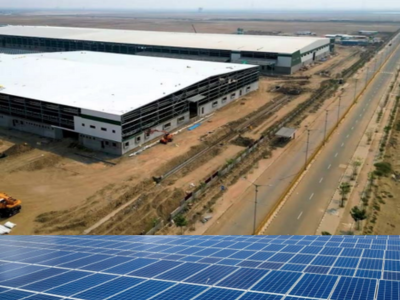
- Large-scale solar power supports long-term demand
- Flood protection follows actual land studies
- Coastal buffers reduce future risk
- Tree-lined roads help manage heat naturally
This isn’t about being “green”. It’s about not paying for mistakes later.
Planning, Zoning & Long-Term Clarity
This is where Dholera stands apart.
- Town Planning Schemes are clearly defined
- Each zone has a purpose and sticks to it
- Residential areas aren’t suddenly next to heavy industry
- Commercial growth follows infrastructure, not speculation
You always know what kind of neighbourhood you’re entering.
The Activation Zone: Why People Focus Here
This is where things are already moving.
- Roads, drainage, and utilities are executed
- Early industries and developers are operating
- Connectivity to expressways, metro, and airport routes is direct
If you don’t want to wait ten years for basics, this zone matters.
What This Means for You
Whether you’re buying land, planning a business, or just evaluating options:
- Indeed, you’re not guessing how the city might evolve
- You’re seeing how it was structured from day one
- You’re entering a system, not a promise
Dholera doesn’t try to impress you loudly. It works quietly. And over time, that matters more.
Connectivity
Road
Rail
Air
Sea
Focus Sectors
Aerospace & Defence
Electronics
Pharmaceutical & Biotechnology
Agro & Food Processing
Solar Industries
Heavy Engineering
Automobiles & Auto Ancillary
IT/ITeS
Industries Invested


DHOLERA SITE PLAN

Bulk Land In Dholera

PHASING PLAN

ACTIVATION AREA

Pricing & Plots for Sale in Dholera
Let’s talk numbers—but without the sales noise
When you start looking at Dholera, pricing is usually the first reality check.
What works in its favour is clarity. You’re not guessing hidden costs. You’re comparing options.
Residential Plots: What You’re Really Paying For
Residential land in Dholera still sits at an entry stage compared to mature cities.
- Current market rates often start around ₹7,500–₹8,000 per sq yd
- A standard 150 sq yd plot usually falls in the ₹11–13 lakh range
- Sectors closer to activation zones or major roads command higher prices
- Some developers offer simple plotted layouts; others provide gated formats
- EMI and staggered payment plans reduce upfront pressure
If you’re buying early, you’re paying more for patience than possession.
Industrial Plots: Built for Use, Not Just Holding
Industrial plots operate on a different logic altogether.
- Pricing reflects infrastructure already in place
- Roads, drainage, power, and utilities are factored into the base cost
- Sector-based allotment helps you avoid compliance issues later
- Logistics access improves operational timelines
When we talk to investors, this category attracts those who want usage—not speculation.
Why Prices Are Moving (And Why Slowly Still Makes Sense)
Land value here isn’t rising randomly. It’s responding to milestones.
- Airport development and expressway connectivity are nearing execution phases
- Government-led planning keeps speculation controlled
- The SIR framework allows flexibility without regulatory confusion
- Public–private participation brings continuity
If you’re expecting overnight jumps, this may frustrate you. If you’re thinking long-term, it starts making sense.
How You Should Approach the Buying Process
Buying land here isn’t complicated—but skipping steps is risky.
- First, decide your intent: residential comfort or industrial use
- Check the TP scheme and zone allocation carefully
- Always confirm approvals and legal status
- Visit the site. It changes perspective completely
- Review title documents, development agreements, and timelines
- Explore developer-backed EMI options if liquidity matters
We’ve seen buyers rush this part. That’s where regret starts.
What This Means for You
If you’re evaluating Dholera seriously:
- You’re entering at a structured stage, not chaos
- You’re paying for planning, not promises
- And you’re choosing between use, holding, or phased development
We don’t recommend buying it because it sounds exciting. We recommend buying when the logic holds.
PHOTO GALLERY
downloads
FAQS
Dholera Smart City is a planned greenfield city developed under the Delhi–Mumbai Industrial Corridor.
Instead of growing randomly, it’s being built step by step, with infrastructure coming first.
When you explore it, you’re not seeing a township—you’re seeing a city framework.
That depends on how you define “safe”. If you’re looking for short-term flipping, you may feel impatient. If you want government-backed planning, clear zoning, and long-term growth, the risk is more controlled.
You’ll mainly find residential and industrial plots. Residential plots suit personal use or long-term holding. Industrial plots are designed for manufacturing, logistics, and large operations. We help you choose based on your intent, not just budget.
Prices vary by sector, zone, and development status. Residential plots usually start lower than industrial ones. Areas closer to activation zones or major roads cost more. Your final price depends on timing, not just location.
Some infrastructure has already executed in activation zones. Other projects, like metro and airport connectivity, are progressing in phases. Dholera isn’t waiting for everything to finish before opening—it’s moving in layers.
You start by choosing the right plot type and TP zone. We always suggest verifying approvals and legal status first. A site visit helps more than brochures ever will. Booking usually involves a token amount, followed by structured payments.
It’s being planned with a metro-city scale from the start. Population growth, employment zones, and transit corridors support that direction. Whether you call it a metro or not, the infrastructure matches that ambition.
SITE ADDRESS

- Phone:+91 7011844481
- +91 8448 665668
- This site is for information purpose only and should not be treated as the official information.
Disclaimer: The content is for information purposes only and does not constitute an offer to avail of any service. Prices mentioned are subject to change without notice and properties mentioned are subject to availability. Images for representation purposes only. This is the official website of authorized marketing partner. We may share data with RERA registered brokers/companies for further processing. We may also send updates to the mobile number/email id registered with us. All Rights Reserved.
Copyrights © 2024 Dholera Smart City | All rights reserved. Realtors Property
